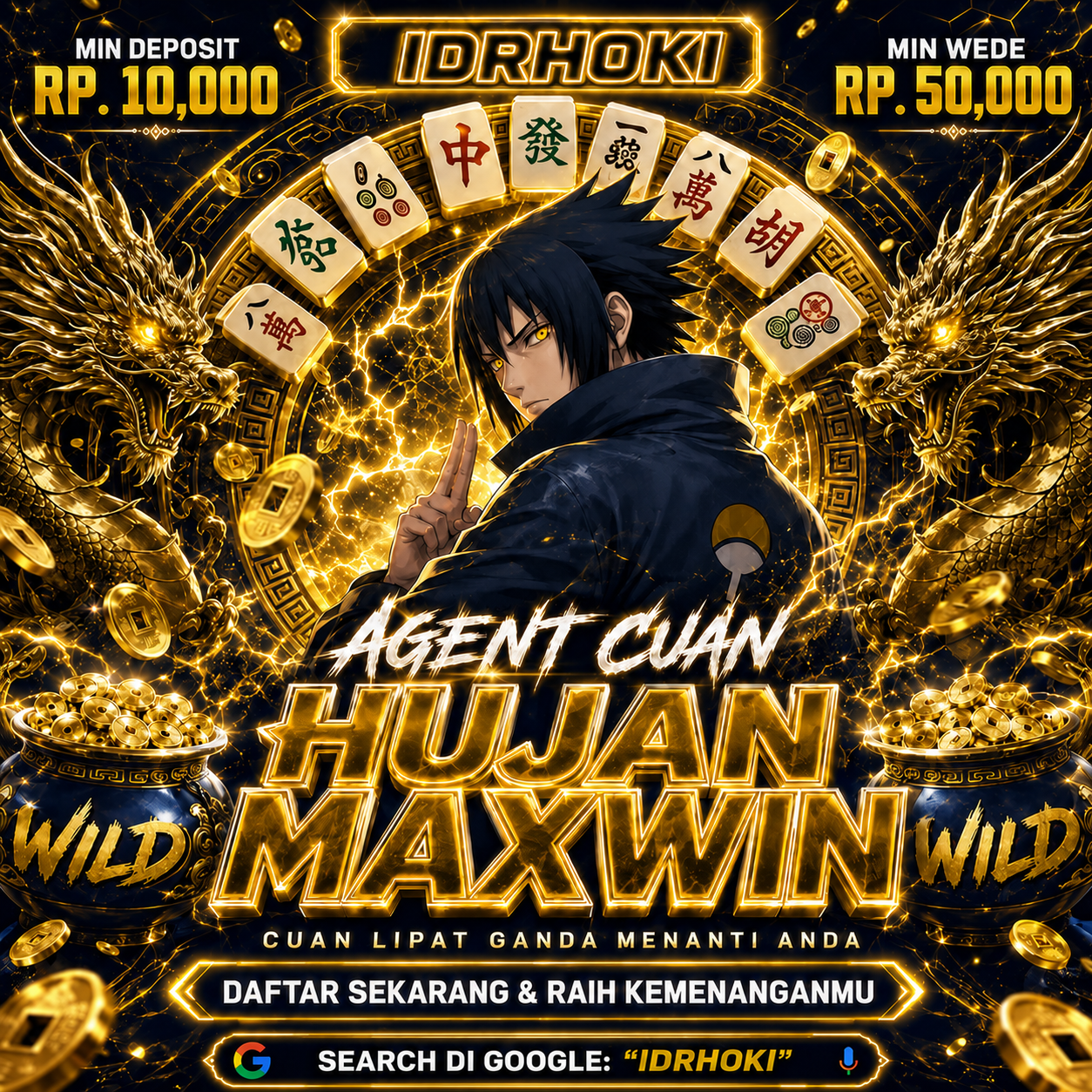
IDRHOKI: Eksplorasi Angkasa Digital dengan Tampilan Premium dan Akses yang Makin Hidup
IDRHOKI hadir sebagai portal angkasa digital dengan tampilan premium dan akses yang lebih responsif. Nikmati pengalaman online futuristik yang fresh, nyaman, dan penuh energi.
Frequently Asked Questions IDRHOKI
IDRHOKI dikenal sebagai platform berkualitas premium karena memiliki sistem akses yang stabil, tampilan yang ringan digunakan, pilihan layanan yang lengkap, serta dukungan Customer Service yang siap membantu pengguna saat dibutuhkan.
Di IDRHOKI, pengguna dapat memulai permainan dengan nominal yang ringan. Bet tersedia mulai dari angka kecil sehingga tetap cocok untuk pemain baru maupun pengguna yang ingin bermain dengan lebih santai dan terukur.
IDRHOKI menyediakan berbagai pilihan pasaran populer seperti Singapore, Hongkong, Sydney, Toto Macau, dan beberapa pasaran lainnya. Dengan pilihan yang beragam, pengguna dapat menyesuaikan permainan sesuai pasaran yang paling disukai.
Ya, IDRHOKI menampilkan informasi result yang diperbarui secara rutin dan tersusun rapi. Dengan sistem update yang cepat, pengguna dapat melihat hasil terbaru dengan lebih mudah tanpa harus mencari informasi dari banyak tempat.
IDRHOKI cukup mudah digunakan oleh pemain baru karena memiliki tampilan yang sederhana, menu yang jelas, dan navigasi yang tidak membingungkan. Pengguna juga dapat memahami berbagai pilihan permainan dengan lebih mudah melalui informasi yang tersedia di dalam situs.
Testimoni Dari Member IDRHOKI
A
Arman Pradipta
Member sejak 2026
Bandung
Saya lebih suka menggunakan situs yang aksesnya ringan dan tidak membuat bingung. IDRHOKI menurut saya cukup nyaman karena tampilannya rapi, menu mudah dicari, dan proses transaksi berjalan lancar. Saat digunakan lewat HP juga tetap stabil.
D
Dedi Kurniawan
Member sejak 2026
Semara
IDRHOKI termasuk situs yang mudah dipahami sejak pertama kali digunakan. Pilihan pasaran tersedia cukup lengkap, informasi result tersusun jelas, dan update hasilnya cepat terlihat. Jadi lebih praktis karena semua informasi bisa dicek dalam satu tempat.
G
Gilang Mahendra
Member sejak 2024
Pekanbaru
Menurut saya IDRHOKI punya kelebihan dari sisi akses yang stabil dan tampilan yang modern. Halamannya tidak berat saat dibuka, baik lewat HP maupun desktop. Proses deposit dan penarikan juga terasa lebih jelas sehingga pengguna bisa lebih nyaman.
M
M. Rizky Saputra
Member sejak 2021
Makassar
IDRHOKI memberikan pengalaman yang cukup praktis untuk pengguna yang ingin akses cepat. Sistemnya mudah diikuti, pilihan pembayaran lengkap, dan fitur yang tersedia cukup membantu. Secara keseluruhan, tampilannya sederhana tapi tetap terasa lengkap.


 Millions ofpremium assets
 Great
value subscription
Great
value subscription